Sip and Solve: Unraveling Wine's Secrets Through Math and Science
Have you ever contemplated the mathematics behind your favorite glass of Cabernet or delightful Chardonnay? Welcome to the fascinating world of oenology, where the realms of wine tasting and viniculture intersect with the insightful precision of mathematics. As we sip our way through this complex universe, we unravel not just the flavors but the very essence of wine through math theory and problem solving. Each bottle tells a story, and each sip illuminates the depths of winemaking techniques, grape varieties, and the regions that provide the backdrop for this ancient tradition. Let's raise our glasses to explore the math behind every sip of wine!
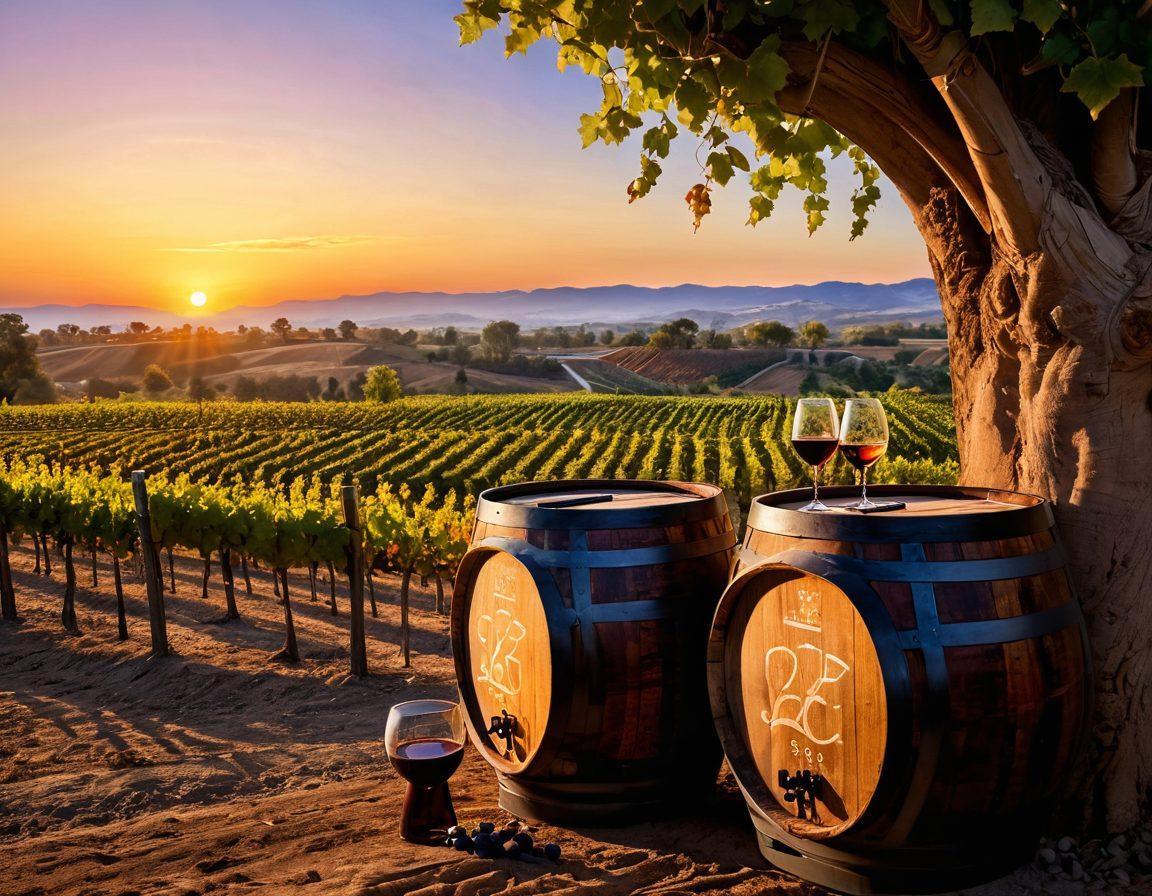
Wine is not merely a drink; it is a bisque of art and science. Picture yourself in a vineyard, surrounded by rows of grapes basking in the sun. You might just see a winemaker calculating the optimal time for harvest based on numerous factors, including weather predictions (there’s that statistics in wine you didn't know existed!). With the right numerical reasoning and mathematical calculations at their fingertips, they can predict the perfect balance between acidity, flavor profile, and alcohol content. Isn't that fascinating? How many of us pay heed to these calculations as we enjoy each glass of vino?
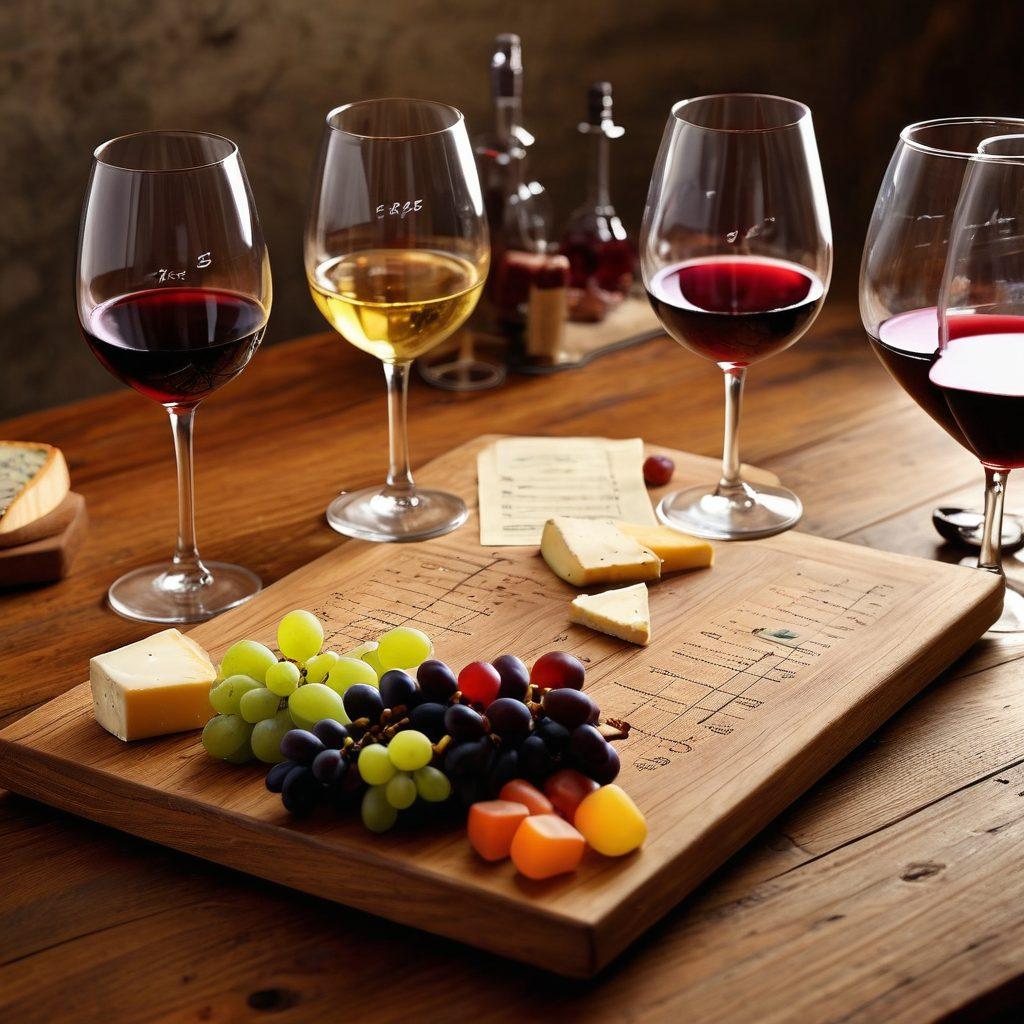
As we engage our senses in wine assessments, we often think about pairing food with our beverage of choice. But did you know that math plays an integral role in wine pairing? By understanding the characteristics of various grape varieties and applying mathematical concepts like ratios and proportions, we can enhance our dining experience. Imagine a delectable cheese that complements your wine's tannins just right. Have you ever thought about how the geometry in winemaking might influence the shape of a glass that could ultimately enhance the experience of savoring a specific varietal?
Diving deeper into the world of wine, you’ll discover a treasure trove of wine facts that illuminate the historical and cultural significance of each sip. Oenology isn't just a study; it's a journey through the ages. From ancient Roman vineyards to modern monoculture practices, the evolution of winemaking brings intriguing narratives steeped in tradition and innovation. Think of how algebra and wine have been intertwined for centuries, with formulas developed to calculate everything from fermentation temperatures to aging processes, ultimately leading to the perfect wine storage conditions to optimize flavor.
In our quest for knowledge, we can make wine tasting an exhilarating experience by incorporating math quizzes and math puzzles. Who says wine has to be serious all the time? Engage your friends in a fun wine review night where you not only taste wines but also explore the science behind it. After tasting, throw in some mathematical calculations – perhaps try estimating the alcohol content based on the sugar concentration noted on the bottle label. As you savor each sip, ask yourself: what did I really enjoy about this wine, and how does math help enhance that enjoyment? In the world of wine, a little math can elevate your experience from mundane to extraordinary!
Decoding Wine Tasting: A Mathematical Approach to Flavor and Pairing
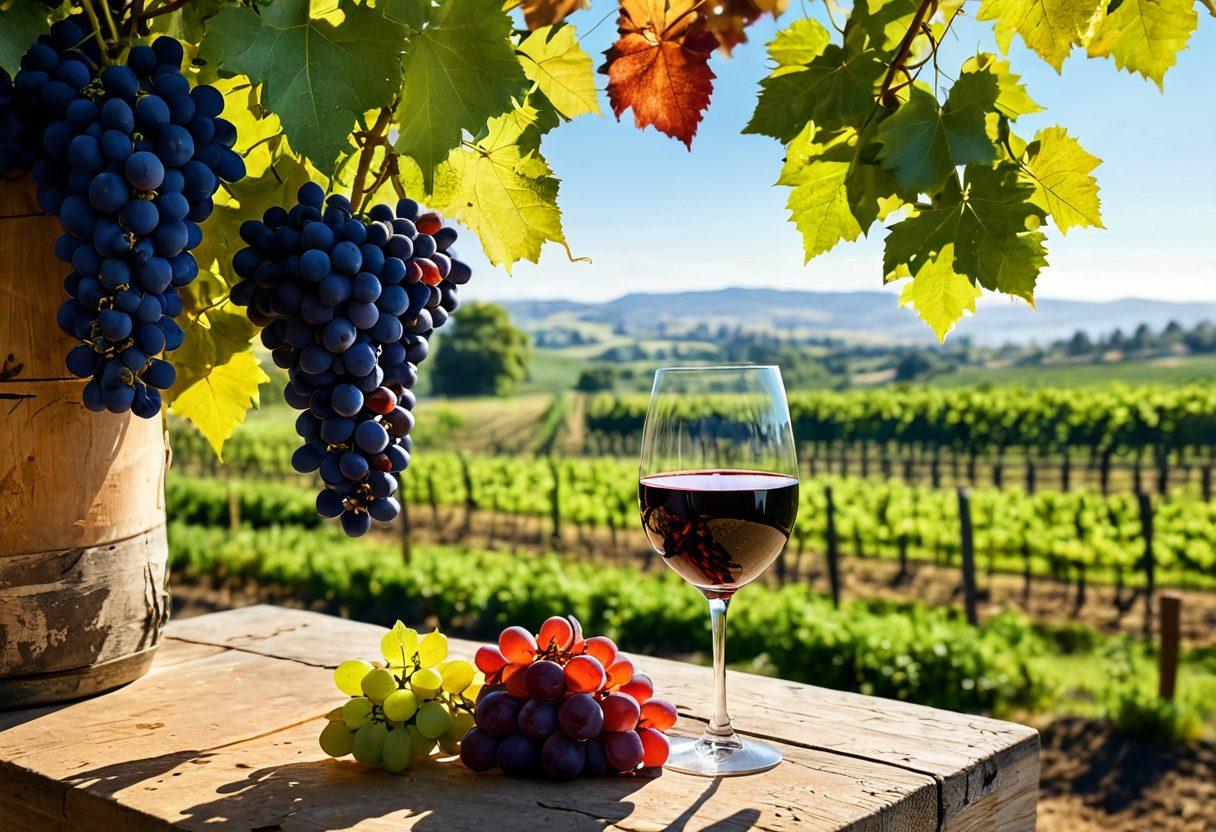
Picture this: you're sitting at a rustic vineyard, a glass of deep crimson wine shimmering in the golden sunlight, the air rich with the earthy scent of grapes. As you swirl the wine, complex aromas rise to your nose, inviting you into a world where flavor meets formula. Have you ever wondered how viniculture and math intertwine to make this favorite beverage of ours? Decoding wine tasting through a mathematical lens offers an enchanting journey that transcends the bottle, influencing everything from grape varieties to wine pairing. So let’s explore this fascinating field of oenology—where numbers tell the story of taste!
Wine tasting is not just an act of pleasure; it's a blend of art and science, where math theory plays a pivotal role. Consider this intriguing thought: The sweet-tart balance of a wine can often be calculated, the acidity levels and sugar content measured through mathematical calculations. Take Merlot, for instance. When you assess its full-bodied profile, the interplay of tannins and acidity can resemble a math puzzle, with each sip revealing a formula hidden within its depths. So, next time you indulge in a tasting, ask yourself: What mathematical concepts lie behind this sensory experience?
As you delve deeper into the world of wine, you may encounter the complex dance of wine regions and their unique qualities influenced by geography—certainly a splash of geometry in winemaking! Have you ever marveled how the terroir, or 'sense of place,' affects flavor? It’s all down to the unique slopes and exposures created by geological conditions, with every incline potentially altering the sun's rays that greet the grapes. The relationship between environmental factors and wine production highlights the statistics in wine—after all, not everything from a vineyard can be left to chance!
When we think about wine serving, one crucial aspect comes to mind: temperature. Did you know that the ideal temperature can vary by varietal? This is where problem-solving comes into play. Utilizing numerical reasoning, we can calculate the optimal serving temperature for each type of wine, creating the perfect pairing experience. It’s fascinating—serving a white wine too cold might mask its flavors, while a red wine served too warm can unleash some unwelcome tannins. Isn’t it mesmerizing how math influences our ultimate enjoyment of these exquisite beverages?
Ultimately, the world of wine reviews and assessments brings us back to the fundamental joys of wine culture itself. Visualize climbing aboard the wine train, where each journey challenges you with intriguing math quizzes and captivating wine facts along the way. By applying algebra and wine, we can structure our tastings and develop a profound appreciation for this timeless art. So, raise your glass to the beautiful intersection of wine tasting and mathematics; after all, the next great wine adventure could just be a sip away, waiting for you to unravel its secrets through the lens of math and science.
From Vine to Glass: How Science and Math Shape Wine's Journey
Picture this: you’re at a dinner party, surrounded by friends and laughter. Someone pours a glass of sumptuous red wine, and the conversation dances from grape varieties to regions where the finest wines are produced. Suddenly, someone poses the question: how does math and science mesh with viniculture? You may be surprised to learn that from the moment grapes are harvested to when we swirl them in a glass, it’s a journey filled with mathematical calculations and scientific principles. In this blog, let’s uncork the secrets behind the vine-to-glass process and discover how science and math shape the world of wine.
At the heart of winemaking techniques lies oenology, the science of wine and winemaking. It’s not just about the flavors; it involves intricate problem solving and numerical reasoning. For instance, winemakers must calculate the optimal sugar levels in their grapes to achieve the perfect balance of sweetness and acidity. Have you ever wondered how they decide when to harvest? It often comes down to statistics in wine! By collecting and analyzing data on grape ripeness, temperature, and weather patterns, they can make informed decisions that directly impact the quality of the wine.
Geometry in winemaking is another fascinating concept. Picture a vineyard, with rows of grapevines stretching into the horizon. The spacing between the vines, the angle of the trellis, and even the height at which grapes are pruned are all calculated using geometric principles. This ensures that each vine receives adequate sunlight and airflow, which ultimately contributes to the grapes’ development and flavor profile. The result? A harmonious blend of nature's design and human intellect, marching hand in hand toward the perfect wine tasting experience.
But what about the sensory side of wine culture? When pairing wines with food, there’s an art that, believe it or not, involves math theory! For example, balancing flavors often requires an understanding of complementary and contrasting tastes, which can be likened to an algebra problem where you need to find the right equation for your palate. Think about your favorite meal: what wine do you crave alongside it? By applying wine assessments and reviews based on these mathematical concepts, you can elevate your dining experience and impress your friends with perfect pairings.
As we delve deeper into wine history, we unveil enticing wine facts that echo centuries of tradition combined with scientific advancement. Did you know that the very act of storing and serving wine is influenced by temperature, which can be calculated for optimal enjoyment? The next time you pull a bottle from your wine storage, take a moment to appreciate not just the smoothness of that delightful cabernet, but the careful calculations and wine science behind every bottle. Wine is not just a drink; it’s a testament to problem-solving at its finest, bridging the worlds of math and science with delicious results.